
페이지 정보
본문
What Fallen Leaves Don’t Tell You
November’s fallen leaves look peaceful and romantic, but once they dry and break apart, they can contribute to fine dust and affect local air quality. Proper collection and handling can reduce dust and help keep the autumn environment cleaner.
Recorded by Hyerin Shin
2025-11-25
Script
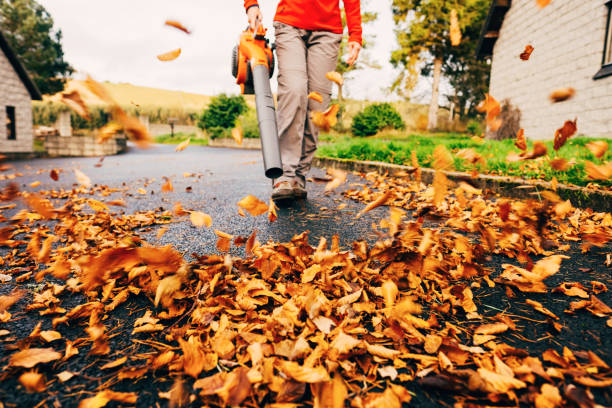
As November arrives, many of us enjoy the romantic sight of fallen leaves covering streets and parks. The soft colors, the quiet atmosphere, and the feeling of the season changing all make autumn feel peaceful. But behind this beautiful scene, there’s another side of fallen leaves that we don’t usually think about, and today I want to talk about that hidden side. When leaves first fall, they look soft and harmless. But as the weather gets colder and drier, they start to break down. Once the leaves dry out, they become very fragile, and even a small movement can cause them to crumble into tiny particles. When people walk through them, when a car drives by, or when the wind picks up, these small particles can easily become airborne. And although we usually think of factories or cars when we hear the word fine dust, dried leaves can actually contribute to local air pollution during late autumn. Another thing we often don’t notice is how much dust is created during leaf-cleanup season. In November, city workers spend long hours sweeping or using leaf blowers to clear sidewalks and roads. But these tools can lift large amounts of dust and leaf fragments into the air. For pedestrians walking nearby, and even for the workers themselves, this can irritate the eyes, nose, and throat. It’s a reminder that even routine seasonal cleaning can affect the air we breathe. There’s also the issue of burning leaves. In some places, burning small piles of leaves is still seen as a convenient way to get rid of them. But burning leaves releases fine dust, carbon monoxide, and other harmful substances that reduce air quality. The smoke may smell nostalgic to some people, but it’s not good for our lungs or for the environment. That’s why many local governments ask residents not to burn leaves and to use official collection systems instead. The good news is that there are simple ways to manage fallen leaves more safely. Spraying a little water on dry leaves before collecting them can help prevent dust from spreading. Using proper collection bags and following community pickup schedules also helps keep streets cleaner and reduces unnecessary dust. And in many areas, fallen leaves are turned into compost or soil enhancers, which means that what looks like seasonal waste can become a useful resource again. So as we enjoy the beauty of November and the charm of golden streets, it’s worth remembering that fallen leaves have two faces. They’re part of what makes autumn feel special, but they can also influence the air around us. With small habits and thoughtful management, we can appreciate the season while keeping our environment a little cleaner.
첨부파일
-
251125_podcast.m4a (4.1M)
0회 다운로드 | DATE : 2025-11-25 10:26:12