
페이지 정보
본문
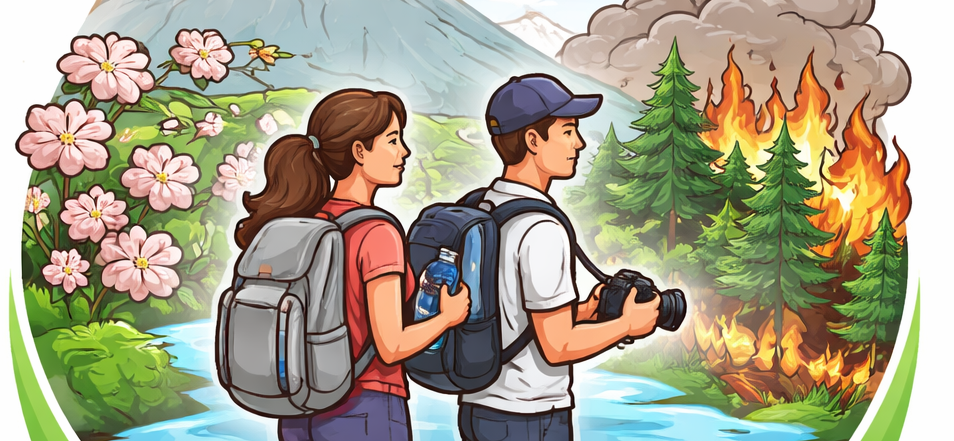
Breathing In Spring: Foreign Students, Hiking, and the Climate Crisis …
This podcast explores how foreign students in South Korea experience the climate crisis during spring, a season typically associated with outdoor activities like hiking. While many enjoy the natural beauty and cultural significance of hiking, increasing risks such as wildfires, air pollution, and unpredictable weather create a sense of tension and uncertainty. These changes reshape how foreign students connect with nature, turning leisure experiences into moments of environmental awareness. The podcast highlights how living in Korea allows international students to experience the climate crisis in a more immediate and personal way.
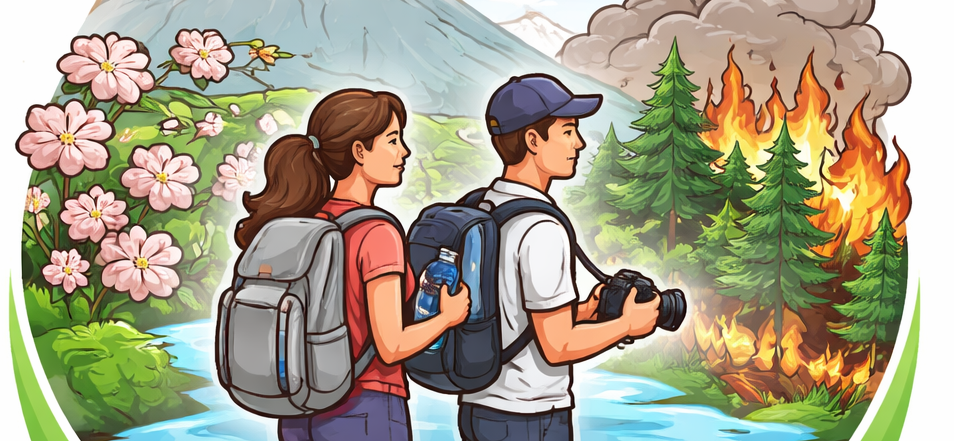
Recorded by Deytiquez Jesus
03/31/2026
Script
Hello everyone, and welcome to today’s episode. As spring arrives here in South Korea, there’s a certain energy in the air. The weather gets warmer, the mountains start to turn green again, and people begin heading outdoors. Hiking, in particular, is something you’ll quickly notice—it’s not just a hobby here, it’s almost a cultural ritual. As a foreign student living in Korea, I’ve come to really appreciate this. There’s something grounding about climbing a mountain trail, seeing the city from above, and just taking a break from academic life. Many international students I know feel the same way. It’s one of the easiest ways to feel connected—to nature, and even to Korean culture. But recently, that experience has started to change. Every spring, Korea faces an increasing risk of wildfires, especially in its forested regions. What used to feel like a peaceful hiking season now comes with a layer of uncertainty. You might check the news before going out—not just for the weather, but for fire warnings. Some trails are closed. Some areas are restricted. And sometimes, the smell of smoke lingers even in places that are supposed to be escapes from the city. For foreign students, this can be a strange and unsettling experience. Many of us come from places where wildfires are either rare or not part of our everyday awareness. So encountering them here—during what is supposed to be one of the most beautiful seasons—creates a kind of tension. You want to enjoy the mountains. But you’re also aware that these landscapes are becoming more fragile. And it’s not just wildfires. The broader climate crisis is becoming more visible in subtle ways. Spring arrives earlier or feels shorter. Air quality can fluctuate. Some days that look perfect for hiking turn out to be less ideal due to fine dust or haze. These changes shape how we experience place. As foreign students, we’re not just observers—we’re temporary residents trying to make meaning of our surroundings. When the environment shifts, our sense of connection shifts too. A hike is no longer just a hike; it becomes a reminder of something larger happening. At the same time, these experiences can also deepen awareness. Talking with other international students, I’ve noticed that many start paying closer attention to environmental issues after living here. Some become more conscious of seasonal changes. Others begin to reflect on how climate change is not just a distant, global issue—but something that directly affects everyday life, even leisure activities like hiking. In a way, Korea becomes a lens through which we understand the climate crisis more personally. So as spring continues, many of us will still go hiking. We’ll still climb the mountains, take photos, and enjoy the view. But we do so with a slightly different perspective—one that balances appreciation with awareness. Because the experience of nature is no longer just about beauty. It’s also about vulnerability. And maybe that awareness is the first step—not just for foreign students in Korea, but for all of us—toward thinking more carefully about how we live, travel, and connect with the environments around us. Thank you for listening.
첨부파일
-
Breathing In Spring_Foreign Students and the Climate Crisis in Korea.m4a (7.0M)
0회 다운로드 | DATE : 2026-03-31 12:04:28