
페이지 정보
본문
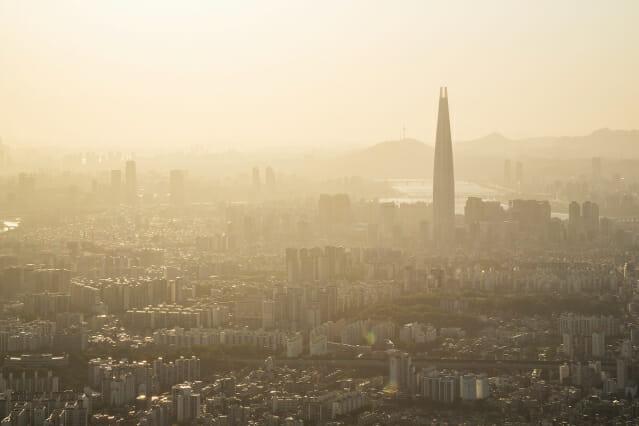
Experiencing Particulate Matter in April in South Korea
Spring in South Korea is often affected by high levels of particulate matter, especially during April. In this episode, I share my personal experience as a university student adjusting my daily routine because of air quality conditions on campus. This podcast explains how particulate matter affects everyday life and why it is important to pay attention to environmental changes.
Recorded by Kim Minhyeok
2026.04.30
Script
Hello everyone. Today I would like to talk about my experience with particulate matter in South Korea, especially during the month of April as a university student. In South Korea, April is usually known as a pleasant spring month with warmer weather and beautiful flowers. Many people enjoy spending time outdoors during this season. However, April is also the time when particulate matter begins to become more serious. Because of this, I have recently become more careful about checking air quality before going outside. For example, before going to school in the morning, I often check the air quality using a weather application on my phone. If the particulate matter level is high, I prepare a mask before leaving home. Checking air quality has now become part of my daily routine. When the particulate matter level is high, I sometimes feel that my throat becomes dry or uncomfortable. On some days, I also feel that breathing outdoors is not as comfortable as usual. Because of this experience, I try to be more careful about how long I stay outside when the air quality is bad. Another change that I noticed is that the sky often looks less clear on days when particulate matter is serious. Instead of seeing a bright blue sky, the sky sometimes looks gray even when there are no real clouds. Seeing this kind of sky makes me realize how much particulate matter can affect our environment. Particulate matter also affects my activities on campus. On days when the air quality is not good, I try to spend less time outdoors and prefer staying inside classrooms or the library whenever possible. Because of this, my daily schedule is sometimes influenced by air quality conditions. I also noticed that many students around me wear masks during April because of particulate matter. Some students even check air quality levels several times a day before going outside. Seeing this made me realize how common this environmental problem has become in South Korea. Because of these experiences, I started thinking more seriously about environmental problems and climate change. Particulate matter is not only an issue related to air quality, but also something that directly affects our health and daily life. To reduce my exposure to particulate matter, I try to follow some simple habits. For example, I wear a mask on days when the air quality is bad and wash my hands and face after returning home. I also try to use public transportation instead of driving whenever possible because I believe small actions like this can help reduce air pollution. Through these experiences, I realized that particulate matter is closely connected to our everyday environment. Therefore, I think it is important for us to continue paying attention to air quality and practice small environmentally friendly habits in our daily lives. Thank you for listening.
첨부파일
-
2026.04.mp3 (3.2M)
0회 다운로드 | DATE : 2026-04-30 21:41:28