
페이지 정보
본문
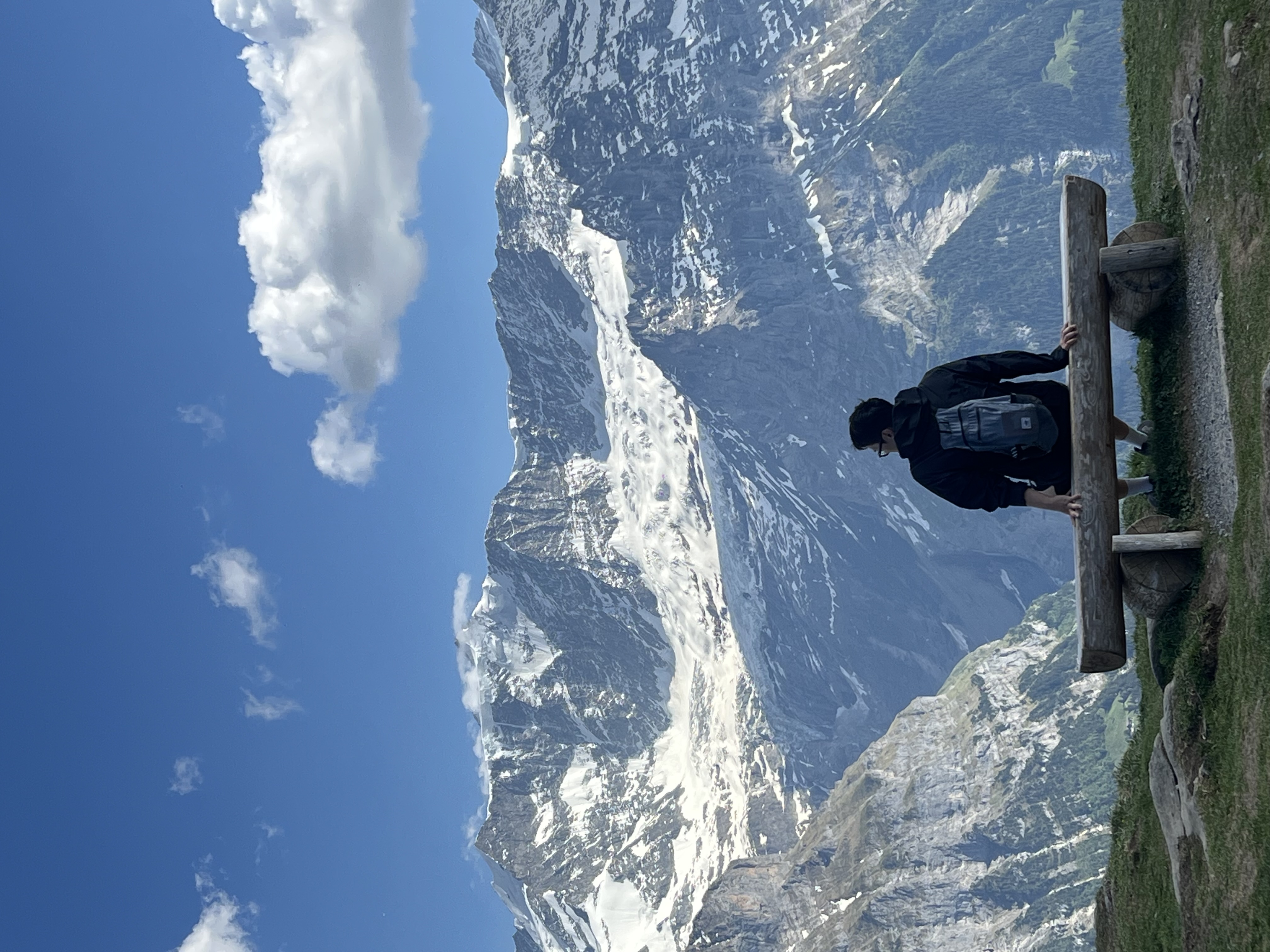
Returning from the Swiss Alps: A Journey That Changed How I See the Ea…
Through direct encounters with nature’s fragility including visibly retreating glaciers and warming alpine ecosystems the episode explores how travel can shift our perspective from abstract awareness to genuine urgency.
The episode also reflects on the contrast between Switzerland’s vast, preserved wilderness and the small environmental choices we make in daily life, arguing that the two are deeply connected.
Ultimately, it is a call to carry the awe of wild places back home — and to let that awe become action.
Recorded by KYUMIN KIM
2026-05-31
Script
Hello, and welcome back. Today I want to share something a little more personal than usual. A few weeks ago, I had the chance to visit Switzerland the Alps, to be specific. And honestly? I went thinking it would just be a beautiful trip. A break. Some good photos, maybe. I did not expect it to change the way I think. The first thing that hits you when you arrive in the Swiss Alps is the silence. Not the absence of sound there’s wind, there’s water rushing somewhere but the absence of noise. Of traffic, of construction, of the constant hum of human urgency. And in that silence, you start to notice things you normally filter out. I remember standing at the edge of a glacier — one of the famous ones near Grindelwald — and reading the small sign posted nearby. It marked where the glacier’s edge had been in 1900. Then in 1950. Then 2000. Each line further and further back up the mountain. I had read about glacial retreat before. In papers, in news articles. I had understood it intellectually. But standing there, looking at the bare rock where ice used to be that was different. That was the kind of understanding that settles somewhere deeper than your brain. What surprised me most, though, wasn’t the loss. It was the beauty that remained. The wildflower meadows at 2,000 meters. The water so clear you could see every stone at the bottom of a mountain stream. The way the evening light turned the peaks a shade of pink I don’t have a word for in any language I speak. Switzerland protects these places with serious commitment strict land use policies, deep investment in public transport, a culture that treats nature not as a backdrop but as something worth defending. And I kept thinking: this is what we’re protecting when we talk about climate action. Not an abstract future. This specific light. This specific silence. Coming home, something had shifted. The reusable bottle I carry I thought about it differently. The choice to take public transit instead of driving I felt it differently. Small things. But they felt connected now to something real, something I had stood inside of and breathed. I think that’s what travel to wild places does, when you let it. It makes the stakes visible. It gives the science a face. We talk a lot about environmental responsibility in terms of duty. Rules, targets, sacrifices. But what I brought back from Switzerland wasn’t a sense of obligation. It was a sense of loss I don’t want to finish experiencing and a deep, quiet wish to do my part in slowing it down. If you ever get the chance to stand in a place like that, go. And when you come back, let it stay with you.
첨부파일
-
Centralstrasse.m4a (2.1M)
0회 다운로드 | DATE : 2026-05-30 07:49:09