
페이지 정보
본문
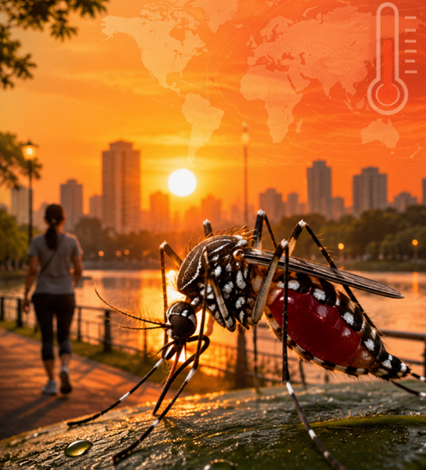
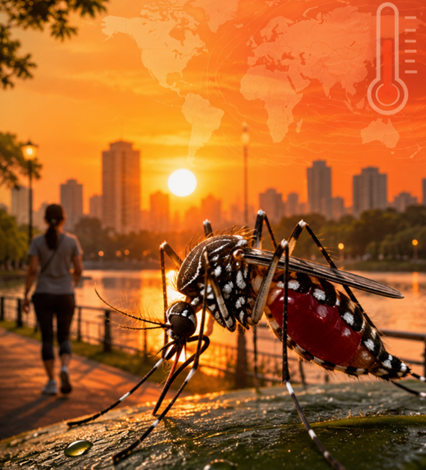
When Mosquito Season Gets Longer: Climate Change, Diseases, and Daily …
This episode explains how climate change can make mosquito season longer and increase the risk of mosquito-borne diseases such as dengue, Zika, malaria, and chikungunya. Warmer temperatures, heavier rainfall, and standing water can help mosquitoes survive, reproduce, and spread into new areas. The episode connects this issue to daily life, showing how climate change affects ordinary outdoor activities and public health.
Recorded by Deytiquez Jesus
2026.06.02
Script
Hello everyone, and welcome back. In the previous episodes, I talked about hiking in Korea, spring weather, wildfires, and even ticks. But today, I want to shift from the mountains to something much smaller—but just as important. Mosquitoes. For many of us, mosquitoes are just an annoyance. They buzz near our ears at night. They leave itchy bites. They ruin outdoor dinners, summer walks, or quiet evenings by the river. But in public health, mosquitoes are more than just irritating insects. They are also disease carriers. And this is where climate change enters the story. As temperatures rise, mosquito seasons can become longer. Warmer weather can allow mosquitoes to survive for more months of the year, reproduce faster, and expand into places where they were previously less common. Changes in rainfall also matter. Heavy rain can leave behind standing water, while drought can make people store water in containers. Both situations can create breeding places for mosquitoes. This is especially important for diseases like dengue, malaria, Zika, chikungunya, and West Nile virus. These diseases are called vector-borne diseases because they are spread by vectors—living organisms like mosquitoes and ticks that carry pathogens from one host to another. Dengue is a good example. In the past, many people thought of dengue as a tropical disease, something mostly connected to hot and humid countries. But today, the situation is more complicated. As climates shift, the conditions that support mosquitoes can also shift. This does not mean dengue will suddenly appear everywhere. Disease spread depends on many things: temperature, rainfall, sanitation, public health systems, travel, urbanization, and mosquito control. But climate change can add pressure to an already fragile system. For students, travelers, and ordinary people, this can change how we experience the outdoors. Imagine a warm evening near a park, a campus, or a river. You want to relax, maybe eat outside, maybe take a walk after class. But now, there is another layer of awareness. Are there mosquitoes? Has it been raining recently? Are there water containers or puddles nearby? Should I use repellent? These are small questions, but they show how climate change enters everyday life—not always through dramatic disasters, but through little changes in risk. And this is what makes infectious diseases so connected to climate. A warmer planet does not only affect ice, oceans, or forests. It can also affect the tiny organisms around us—the insects, bacteria, viruses, and parasites that interact with human bodies. But I do not want this episode to sound hopeless. The point is not to fear every mosquito. The point is to become more aware and prepared. Simple actions matter: removing standing water, using mosquito repellent when needed, wearing protective clothing, installing screens, and paying attention to public health advisories. Communities can also help by improving drainage, waste management, and mosquito control programs. In a way, mosquitoes remind us that climate change is not separate from health. It is not just an environmental issue. It is also a public health issue. So the next time we think about climate change, maybe we should not only imagine melting glaciers or burning forests. Maybe we should also imagine a small mosquito, flying quietly in a warmer evening, reminding us that the climate crisis can reach us in very personal ways. Thank you for listening, and see you next time.
첨부파일
-
Mosquito.m4a (7.1M)
0회 다운로드 | DATE : 2026-06-02 11:39:30