
페이지 정보
본문
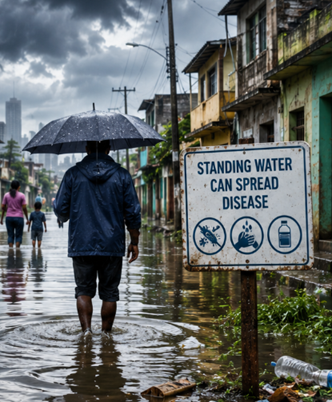
After the Flood: Climate Change, Water, and Infectious Diseases
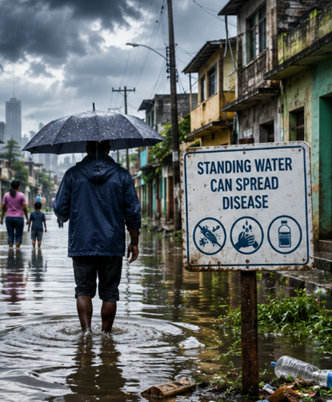
This episode discusses how climate change, extreme rainfall, and flooding can increase the spread of infectious diseases. Floodwater can contaminate drinking water, mix with sewage, and create conditions for diseases such as diarrhea, cholera, and leptospirosis. It also explains that standing water after floods can become mosquito breeding sites. The main message is that floods are not only environmental disasters, but also serious public health risks.
Recorded by Deytiquez Jesus
2026.06.02
Script
Hello everyone, and welcome back. Today, I want to talk about water. Usually, when we think of water, we think of life. Drinking water, rivers, rain, oceans, and the sound of water after a long dry season. Water is necessary. Water is calming. Water is survival. But under climate change, water can also become unpredictable. In many parts of the world, climate change is making rainfall patterns more extreme. Some places experience heavier rainfall and flooding. Others experience drought. And sometimes, the same place can experience both—long dry periods followed by intense rain. This matters because infectious diseases are closely connected to water. After floods, clean water systems can become contaminated. Sewage can mix with floodwater. Bacteria, viruses, and parasites can spread more easily. People may be forced to walk through dirty water, stay in crowded shelters, or rely on unsafe drinking water. In these conditions, diseases such as diarrhea, cholera, leptospirosis, and other water-related infections can become bigger risks. This is one of the clearest ways climate change becomes a health issue. A flood is not only a weather event. It can become a public health event. And the risk does not always end when the rain stops. Standing water left behind after floods can become breeding sites for mosquitoes. Damaged homes can expose people to mold and respiratory problems. Displaced families may struggle to access clean toilets, safe food, and medical care. So the health effects can continue long after the water level goes down. For students and young people, this may feel distant at first. Maybe we see floods on the news and think, “That is terrible, but it is happening somewhere else.” But the truth is, climate-related health risks are becoming more connected across countries. Travel, migration, urban growth, and global inequality all affect how diseases spread and how communities recover. And this is why preparation matters. Preventing water-related infectious diseases is not only about hospitals and medicine. It is also about infrastructure. Safe drinking water. Strong drainage systems. Clean toilets. Waste management. Early warning systems. Public communication. Community education. Even personal habits matter during extreme weather: avoiding floodwater when possible, washing hands, boiling or treating unsafe water, keeping wounds covered, and seeking medical help when symptoms appear after flood exposure. But I think there is also a deeper lesson here. Climate change changes our relationship with things we usually trust. Rain, which we often welcome, can become dangerous when it becomes extreme. Rivers, which can make a city beautiful, can also overflow. Water, which sustains life, can also carry disease when systems fail. So when we talk about climate action, we are not only talking about protecting nature in an abstract way. We are talking about protecting the conditions that make everyday life safe. Clean water. Safe homes. Healthy communities. Infectious disease reminds us that climate change is not only about the future. It is already shaping the environments where people live, study, work, and recover after disasters. So maybe the question is not only, “How do we stop the flood?” The question is also, “How do we build communities that can stay healthy when the flood comes?” Thank you for listening, and see you next time.
첨부파일
-
Flood.m4a (6.6M)
0회 다운로드 | DATE : 2026-06-02 11:48:24